EV Financing for Corporate Fleets in India: FAQ Guide

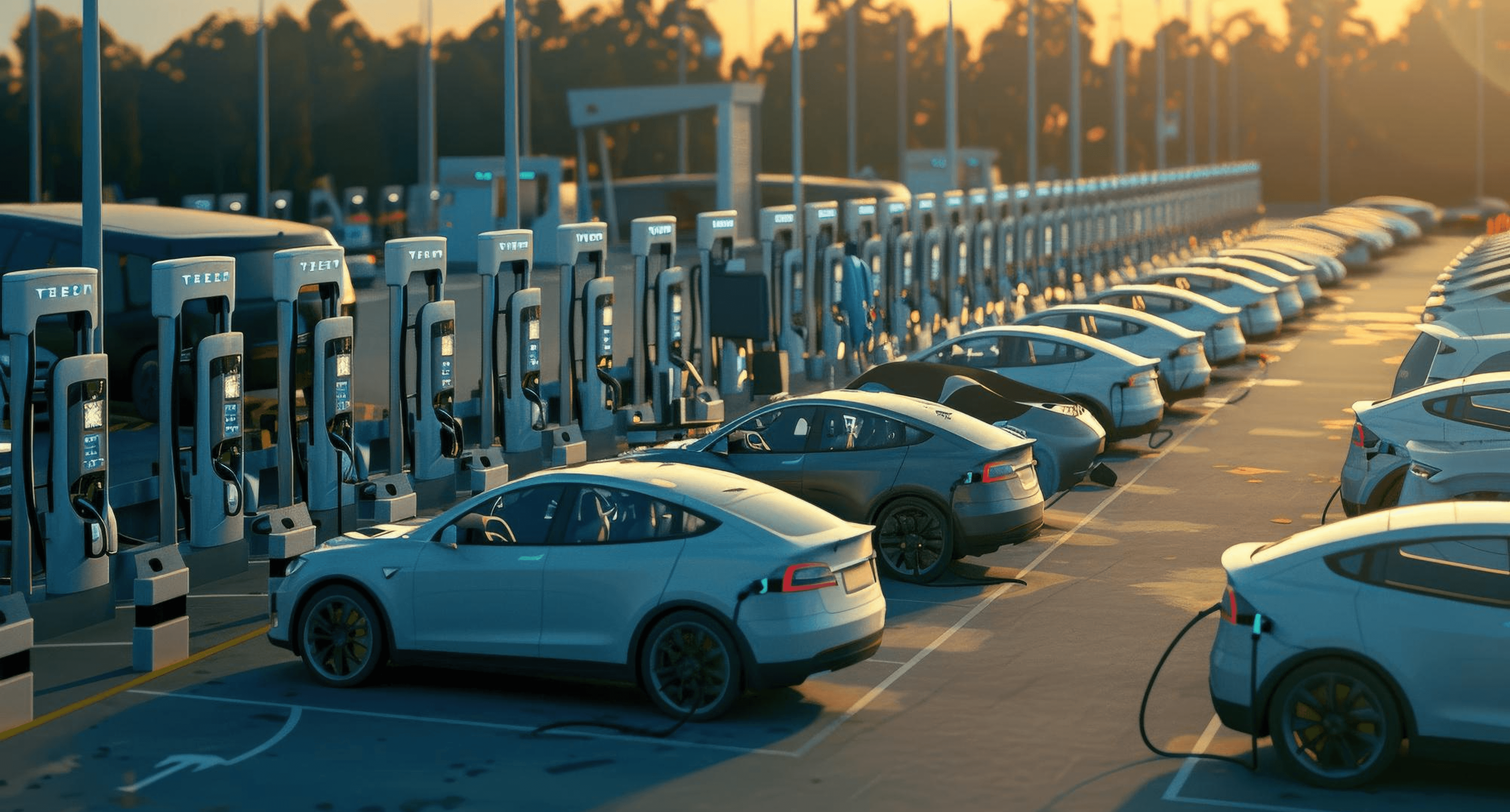
Corporate electric vehicle fleet in India

EV Financing for Corporate Fleets in India

1. What is EV financing for corporate fleets?

EV financing for corporate fleets refers to customised lending and leasing solutions that enable companies to acquire and scale electric vehicles at low upfront cost. These financing structures are designed specifically for commercial usage, high utilisation, revenue-linked operations, and long-term fleet efficiency.

2. Why are corporate fleets shifting to electric mobility?

Corporate fleets across logistics, e-commerce, mobility, and field operations are moving to EVs because they offer:
Lower Total Cost of Ownership (TCO)
Reduced fuel and maintenance expenses
Better environmental compliance
Greater operational predictability through telematics
Favourable government incentives
Enhanced brand sustainability
With India’s rapid electrification, EVs deliver measurable cost advantages in high-utilisation fleets.

3. What financing models are available for corporate EV fleets?

Corporate EV lenders typically offer:
Loan-based financing for asset ownership
Operating lease with fixed monthly rentals
Finance lease with asset ownership at term-end
Pay-per-km repayment models
Battery-as-a-service (BaaS) financing
Fleet-as-a-service (FaaS) bundles including service, maintenance, and insurance
These models help enterprises balance cash flow, asset ownership, and operational flexibility.

4. How does Revfin support corporate fleet electrification?

Revfin enables corporate fleet operators to scale quickly through:
Minimal documentation and fast approvals
Tailored underwriting for EV fleet use cases
Funding across E-2W, E-3W, passenger E-4W, LCVs, and Zero-Emission Trucks
IoT-enabled vehicle monitoring
Monthly inspections and fleet health checks
Access to multiple OEM partners with the best commercial EV deals
Post-deployment support through Revshaala, Revfin’s EV refurbishment and redeployment facility
This end-to-end ecosystem makes corporate EV adoption frictionless and cost-efficient.

5. What types of EVs can be financed for corporate fleets?

Corporate fleet lenders typically finance:
Electric 2-wheelers for delivery, field staff, and logistics
Electric 3-wheelers (L3 & L5) for cargo and mobility services
Electric 4-wheelers for ride-hailing, intra-city and intercity transport
LCV electric four-wheelers for urban logistics
Zero-Emission Trucks (ZETs) for mid-mile and long-haul freight
Ancillary EV assets such as batteries, charging stations, and IoT devices
Revfin covers all these categories.

6. What documents are required for corporate EV financing?

Though requirements vary by company size and model, lenders generally ask for:
Company KYC and PAN
GST filings
Financial statements
Bank statements (6–12 months)
Contracts with fleet partners
Promoter or director KYC
Fleet utilisation or projected deployment plan
Most lenders slow you down with files and forms. Revfin doesn’t.
Its digital underwriting is built to read intent and repayment ability, not just credit history.
That’s why even first-time or new-to-credit commercial EV users can get financed fast, with far less paperwork and far more clarity.
It removes friction where it matters most: right at the moment fleets need to deploy and start earning.

7. How fast is the approval and disbursement process?

With digital underwriting, approvals can be issued within 3–7 days, depending on fleet size and vehicle category. Revfin’s rapid processing helps businesses deploy assets quickly, especially for scale-up phases during high-demand cycles in e-commerce, Q-commerce, and mobility.

8. What is the typical loan tenure for corporate EV fleets?

Tenure varies across vehicle segments:
  • E-2W:
18–36 months
  • E-3W:
24–48 months
  • E-4W / LCVs:
36–60 months
  • Zero-Emission Trucks:
48–84 months
Tenure is chosen to optimise TCO and fleet utilisation patterns.

9. How do lenders assess risk for EV fleets?

Corporate EV lenders use:
Telematics and IoT-based tracking
Driver behaviour and utilisation metrics
Battery health and cycle data
Route and geo-fence compliance
Contracted demand from e-commerce or mobility platforms
Revfin tracks 700+ million data points to ensure risk-free deployment and continuous asset health assessment.

10. Are EV loans available for startups and new-age mobility companies?

Yes. Dedicated EV lenders support startups, even those without long credit histories, through:
Alternative underwriting models that look beyond conventional credit scores
Cash-flow and utilisation–based assessments suited for high-mileage commercial EVs
Revenue-linked repayment structures aligned with real fleet operations
OEM and ecosystem partnerships that reduce risk and ease deployment
But this is where Revfin stands out. Revfin is built for new-age mobility companies, lenders rarely understand the operational realities of early-stage fleets the way Revfin does. Its digital-first underwriting reads intent and ability to repay, allowing new operators and first-time borrowers to scale faster with minimal friction, predictable financing, and support designed for commercial EV growth.

11. What are the benefits of choosing EV-specific financers over traditional banks?

EV-focused lenders understand the operational realities of commercial EVs, which means:
Faster onboarding with digital journeys designed for fleet deployment
Flexible repayment schedules aligned to how commercial fleets actually earn
Lower upfront costs to help operators scale quickly
Vehicle-focused monitoring that protects high-utilisation assets
Lifecycle support that keeps fleets productive longer
Better valuation of EV depreciation for long-term planning
Revfin’s underwriting is built to assess intent and ability to repay, not just credit scores, enabling fast approvals even for new-to-credit fleet founders. Paired with operationally aligned repayment structures and deep experience in high-mileage EV segments, Revfin becomes the most practical financing partner for startups, new-age mobility companies, and commercial fleet operators looking to scale without friction.