1. What is the Total Cost of Ownership (TCO)?
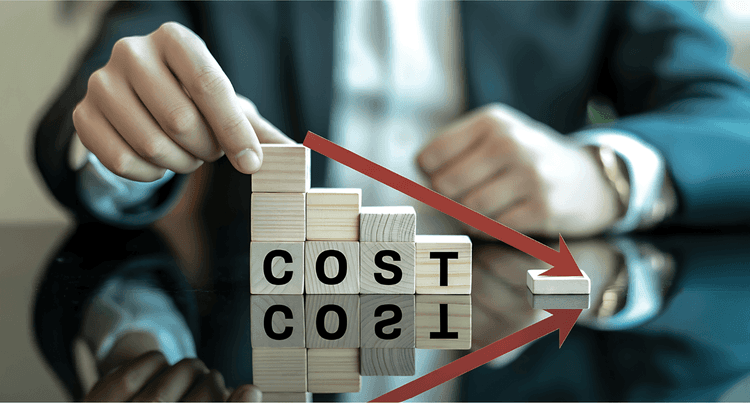
TCO (Total Cost of Ownership) in finance is the complete cost of acquiring, operating, and maintaining an asset over its entire life, not just its purchase price. It includes: 1) Purchase or acquisition cost 2) Operating costs (energy, labor, fees) 3) Maintenance and support 4) Financing, taxes, insurance 5) Downtime and disposal costs The upfront price of an e-rickshaw may be similar to or slightly higher than a traditional vehicle, but the long-term TCO is far lower. Most fleet owners choose EVs because of better profitability. Savings come from lower fuel costs (electricity vs. CNG/diesel) and minimal maintenance. For example:2. What is the Battery Capacity and Range?
Range is critical for commercial use. Real-world performance is usually around 80% of the OEM-claimed range, and load capacity can decrease after 2–2.5 years. Knowing the battery capacity and range helps plan routes, charging cycles, and fleet efficiency. If you’re considering an e auto loan, always check that the battery suits your daily operational requirements.3. How Long Does It Take to Charge the Battery?
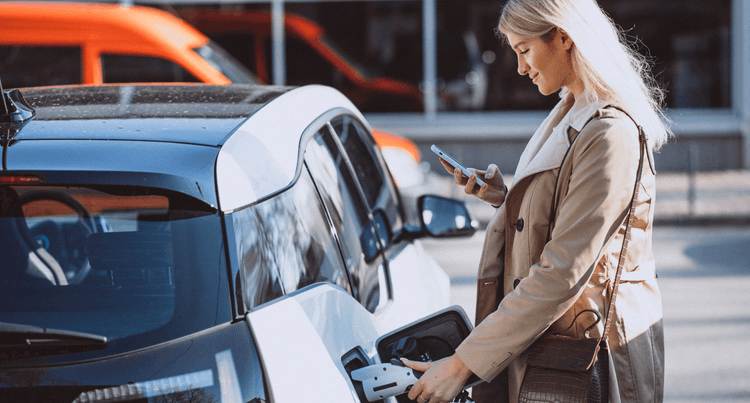
Full charging typically takes 8–10 hours, which can affect uptime. To overcome this, many operators use battery swapping. Some EV financing companies, like Revfin, even offer loans bundled with battery-swapping support to reduce downtime and keep your fleet running efficiently.4. What is the Lifespan of the Battery?
The battery is the most expensive component, making up 40–50% of the vehicle cost. Lithium-ion batteries usually last 8–12 years, but replacements can be costly. When considering electric vehicle finance in India, it’s important to factor in battery lifespan and replacement cost into your financial plan.5. Are There Enough Charging Stations in My Area?
Charging infrastructure is growing but still concentrated in urban areas. About 37% of E3W owners report charging access as a challenge. Many rely on home charging to optimize costs. With easy loans for electric rickshaw setups, you can plan for your own depot or partner with charging networks to keep operations smooth.6. What Safety Features Does the Rickshaw Offer?
Safety is key for commercial operations. Modern E3Ws include basic safety features, but at Revfin, we go further with Telematics and GPS monitoring. This provides:7. What Loan and Financing Options Are Available?
Revfin offers digital, fast, and accessible EV loans, including:8. Are There Any Government Incentives or Subsidies?
Yes! Government support makes EVs even more affordable:- GST:
- Central Schemes:
- State Policies:
9. What After-Sales Support and Warranty Do You Get?
Maintenance matters. Revfin ensures your vehicle stays roadworthy through Revshaala, our facility for refurbishing E2Ws, E3Ws, and E4Ws. Repossessed vehicles undergo comprehensive electrical, mechanical, and battery checks before being financed again, extending lifespan and reducing downtime.10. What is the Resale Value and Upgrade Option?
The EV resale market is evolving. While residual values were historically uncertain, financing with Revfin electric rickshaw loans supports a transparent secondary market. Our refurbishment processes at Revshaala improve resale value, making upgrades and asset replacement easier and safer for operators.Conclusion
E-rickshaws are no longer just an alternative, they’re a proven income-generating tool for thousands of drivers across India. By asking the right questions and planning beyond the purchase price, you can make a smarter, more sustainable investment. With over 90,000 micro-entrepreneurs financed, Revfin continues to support India’s electric mobility transition by making EV ownership accessible, practical, and profitable.