B2B Electric Vehicle Finance Companies in India – FAQ

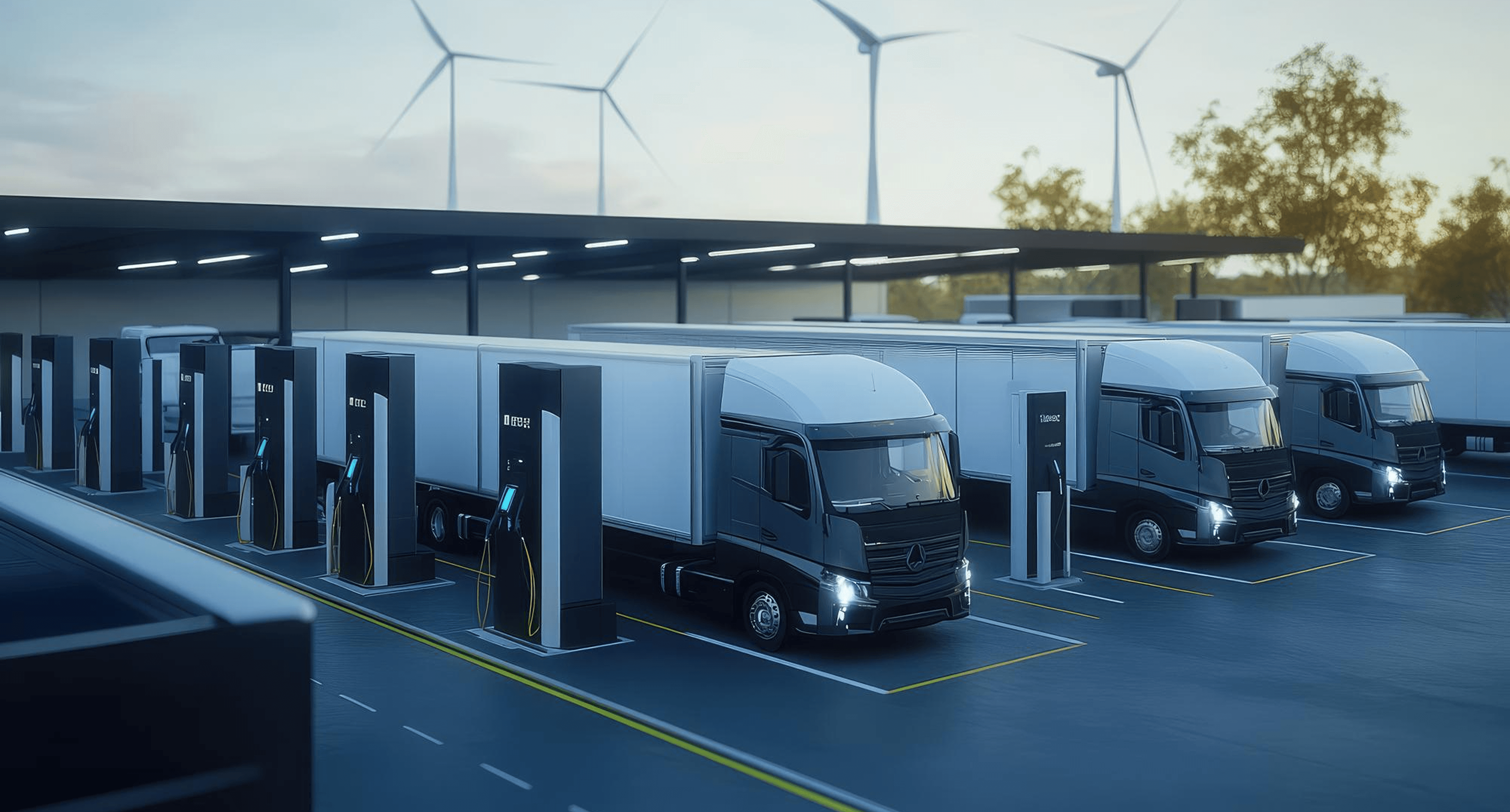
Electric vehicle fleet financing in India

B2B Electric Vehicle Finance Companies in India - FAQ

1. What are B2B electric vehicle finance companies?

B2B EV finance companies provide specialised lending solutions for businesses purchasing, operating, or scaling electric vehicle fleets. These lenders focus on asset-backed financing, customised repayment structures, and data-driven risk management tailored to commercial EV use cases such as logistics, last-mile delivery, mobility services, and shared fleets.

2. Why do businesses need dedicated EV finance partners?

Electric vehicles have unique characteristics, battery costs, telematics integration, charging needs, and residual value considerations. Traditional financiers often struggle to underwrite these nuances.
A dedicated EV finance partner offers:
Custom credit models built for EVs
Flexible tenure and repayment schedules
Telematics-driven risk control
Lifecycle and battery-health monitoring
Support for fleet growth and asset utilisation
This allows businesses to adopt EVs at scale without high upfront costs.

3. How do EV finance companies assess creditworthiness for businesses?

Revfin, as a pioneer B2B EV financer, use advanced underwriting systems that evaluate:
Fleet utilisation patterns
Historical trip data and telematics
Driver behaviour
Business cash flows
Battery health and expected lifecycle
Asset resale value
This specialised assessment ensures better approval rates for mobility and logistics businesses that may not fit traditional credit scoring frameworks.

4. What types of EVs can businesses finance through these companies?

Most B2B EV finance providers support:
Electric 2-wheelers for delivery and field operations
Electric 3-wheelers for cargo and passenger mobility
Electric 4-wheelers for fleet operations, ride-hailing, and logistics
L5 category EVs for commercial transport
Some lenders also support financing for associated infrastructure like onboard chargers, battery packs, and retrofit kits.

5. What are the benefits of using a specialised B2B EV finance partner?

Businesses gain:
Lower upfront cost of EV adoption
Predictable operating expenses
Access to performance-linked repayment models
Faster approvals due to EV-centric underwriting
Fleet lifecycle support, including refurbishment, redeployment, and resale
Risk-protected operations through telematics integration
Partners like Revfin also offer end-to-end lifecycle solutions, from financing to post-deployment support.

6. How do B2B EV finance companies reduce default or operational risk?

They rely heavily on telematics, GPS data, and IoT monitoring to track:
Vehicle movement
Battery status
Driver behaviour
Utilisation patterns
Revenue-linked output
Advanced algorithms alert lenders to risk signals early, enabling intervention, servicing, or asset protection.
Revfin applies an EV-native, data-intensive risk framework built specifically for commercial fleets:
1. Deep telematics-driven underwriting
Loan decisions are powered by 700M+ EV telematics data points, evaluating utilisation patterns, earning potential, route types, and battery health before approval.
2. Continuous IoT-based risk scoring
Real-time monitoring of battery status, charging cycles, vehicle health, and route deviations creates a dynamic risk score that updates daily, not just at loan origination.
3. Revshaala lifecycle support
Revshaala restores EVs and batteries quickly, reducing downtime and recovery losses, and extending asset life, all of which directly lower default risk.
4. Psychometric Analysis
Revfin uses innovative techniques like psychometrics, biometrics, and gamification to generate user data as part of a loan application journey. This data is then processed using machine learning algorithms to underwrite loans

7. Do these companies support businesses with fleet expansion?

Yes. Most B2B EV lenders specialise in phased fleet expansion, offering:
Stepwise approvals
Pre-approved limits
Bulk procurement support
Vendor and OEM tie-ups
Battery and charging ecosystem partnerships
This helps enterprises scale EV operations rapidly.

8. What sectors benefit the most from B2B EV finance?

Key industries include:
Last-mile delivery
E-commerce logistics
Grocery and hyperlocal delivery
Cargo & mobility operators
Ride-hailing services
Urban utility and municipal services
Aggregators managing multi-city fleets
These sectors rely on high vehicle utilisation, where EVs dramatically reduce operating costs.

9. Is Revfin the best among B2B EV finance companies in India?

Revfin is one of India’s most specialised and technology-driven EV finance companies, known for:
100% digital onboarding and underwriting
Behavioural-science-led credit assessment
Telematics-based risk management
Extensive OEM partnerships across vehicle categories
Lifecycle support through Revshaala (EV refurbishment & redeployment)
This end-to-end ecosystem makes Revfin a preferred partner for businesses scaling their EV fleets.

10. Can startups also apply for B2B EV financing?

Yes. Many startups in logistics, mobility tech, and hyperlocal services rely on EV-first models.
Dedicated EV lenders support them through:
Revenue-based underwriting
Alternative cash flow analysis
Flexible repayment based on utilisation
This is especially beneficial for early-stage businesses that may not have an extensive credit history. By partnering with Revfin, startups can still access flexible financing solutions based on vehicle performance, business potential, and future revenue, not just traditional credit scores. This enables them to scale faster, improve fleet reliability, and build credibility from day one.