Top Challenges in Commercial EV Adoption and How EV Loans Can Help Overcome Them
The adoption of electric vehicles in the commercial industries is growing as businesses increasingly feel the urge to bring down their carbon footprint and come in line with goals on sustainability. However, switching to commercial EVs is accompanied by its own set of challenges. Finding an effective way to overcome these challenges will be very important for the wide-scale adoption of EVs in commercial fleet operations. The key to this transition will be facilitated by one important tool: the EV loan. In this blog, we look at some of the biggest challenges that exist in the adoption of commercial EVs, and how the loans for EVs can offer practical solutions.1. High Initial Costs
Probably the biggest barrier to commercial EV adoption is the up-front cost of electric vehicles. Most electric vehicles are more expensive than their traditional ICE counterparts, which can be a big stumbling block to businesses operating on shoestring budgets. How electric loans can help: Although EV loans dissipate the financial burden by availing businesses of the required money to invest in electric vehicles, favourable interest rates and flexible repayment terms make it quite easier for companies to handle the initial investment. Financial institutions and specialized lenders, such as Revfin, facilitate customized electric loan solutions to help offset the high upfront costs involved in the process, thus enabling businesses to invest in electric fleets without straining their finances.2. Range Anxiety
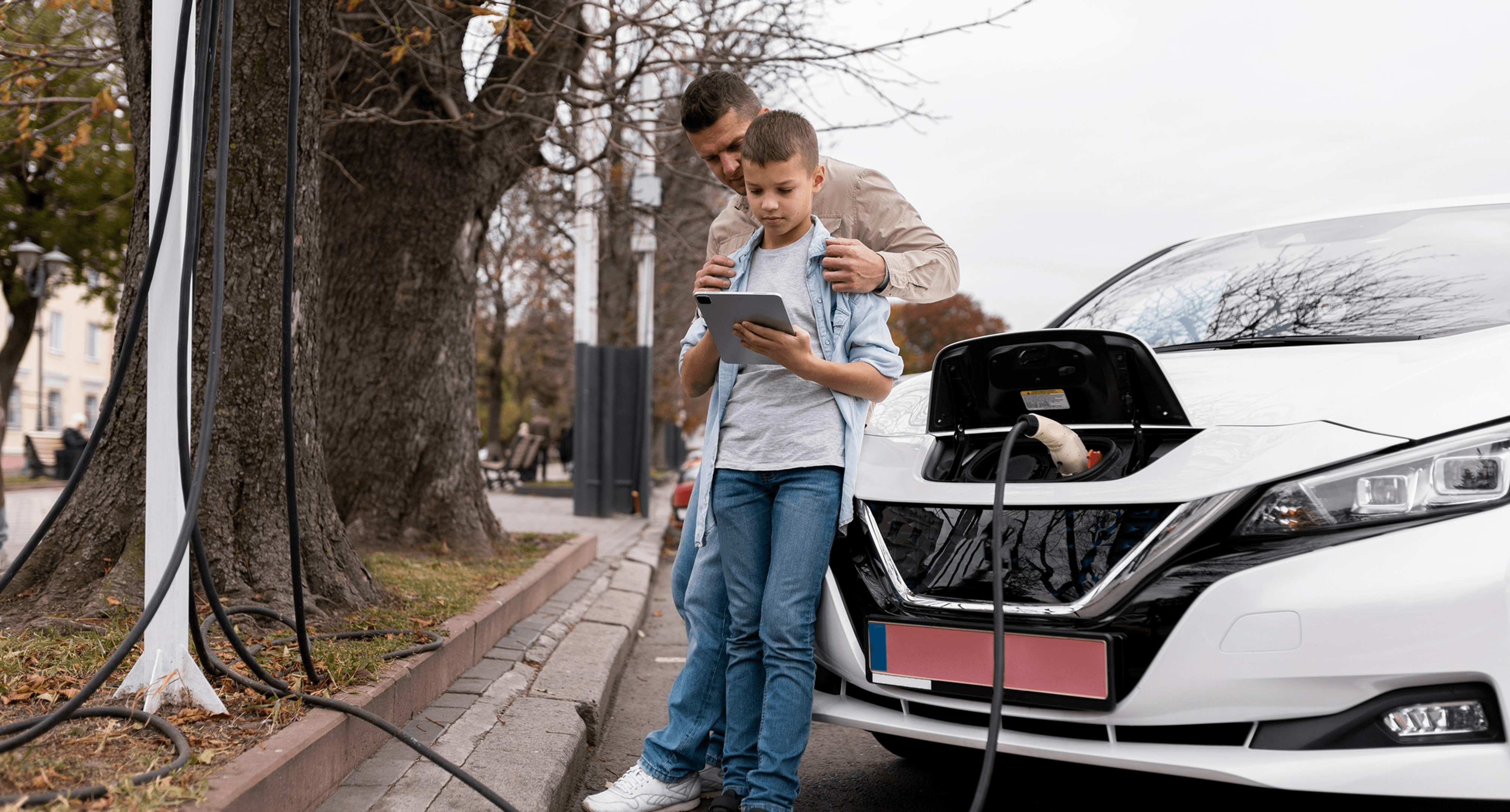
Challenge: Range anxiety-or the fear that EVs cannot cover the range for a trip-is therefore one of the major concerns for commercial operations. This inevitably makes businesses apprehensive to invest in EVs for fleets that have high usage patterns. How EV Loans Can Help: Electric Vehicle loans can help businesses in the selection of appropriate EVs that can help with operational requirements. Businesses can arrange finance for vehicles with ranges and features that are accordingly suited by dealing with lenders who understand the subtleties of commercial EV requirements. Second, electric loans can be used to acquire a fleet of several vehicles so that it is complete enough to carry out most operational requirements.3. Maintenance and Repair Costs
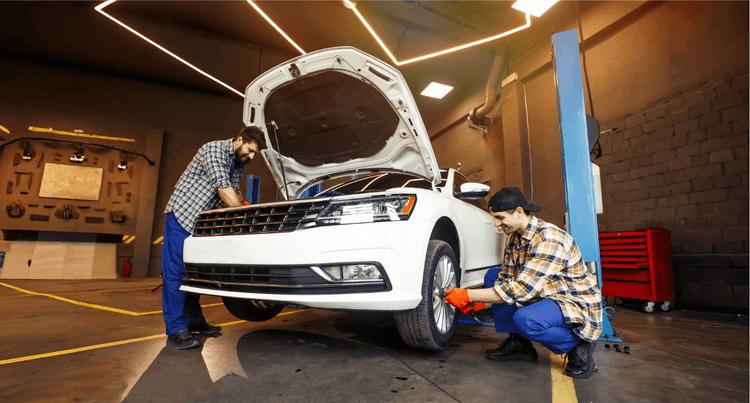
There is a feeling that EVs are going to be more expensive to maintain and repair due to the advanced technology used. This can be a serious consideration for any business considering the transition from ICE vehicles to electric. How EV Loans Can Help: The loan provider can expand financing options to businesses by including extended warranties or maintenance packages. Since the added benefits can be encapsulated in the EV loan agreement, businesses will not have as much to worry about when it comes to higher maintenance costs, while taking comfort in knowing their investment is covered.4. Depreciation and Resale Value
Challenge: Depreciation rate for EVs and their resale value are not as well quantified today as in traditional vehicles; firms might be wary of long-term financial consequences of ownership. How electric loans Can Help: EV loans can be tailored to mute these depreciation-related apprehensions through the provision of better financing terms and flexibility in repayments. In similar lines, lenders like Revfin often provide customized electric loan solutions considering long-term residual value of EVs and thereby enabling a business to manage its investments more effectively.5. Lack of Standardization
Solution: The electric vehicle market is still at a developing stage, and the non-unified standpoint over charging connectors and vehicle specifications does cause a lot of pain to fleet management. How EV Loans Can Help: The loans could assist businesses in the selection of standardized and compatible electric vehicles and charging systems. Most of the financial institutions involved with EV loans have experience in the EV market that guides the business in identifying solutions that minimize compatibility issues for smooth operation.How Revfin Overcomes Adoption Barriers for Commercial EVs
Revfin is changing the future of sustainable mobility in India, and we understand the unique issues that enterprises face in adopting electric vehicles. We assist businesses in overcoming these through our integrated approach with accessible finance, innovative technology, and high infrastructure strength.1. Navigation of High Upfront Costs
Revfin has designed EV-specific loans to make the financial burden of owning electric vehicles less painful. With our finance options, we enable business houses to make investments in electric fleets without putting pressure on their wallets. With our competitive interest rates and flexible repayment terms, we help them transition to sustainable mobility with ease.2. Overcoming Range Anxiety
Revfin supports the adoption of battery-swapping EVs. These vehicles allow users to swap depleted batteries for fully charged ones in just 2-3 minutes, ensuring minimal downtime and uninterrupted operations. This holistic approach ensures that businesses can deploy diverse and efficient fleets capable of meeting a wide range of operational demands seamlessly.3. Increasing the Maintenance Cost
We ease the fear of future maintenance and repair costs by adding extended warranties and maintenance packages to our financing services. These add-ons take away these costs from the company, helping it adopt electric vehicles smoothly.4. Relieving Depreciation and Resale Value
Understanding the long-term financial implications of owning electric vehicles (EVs), Revfin tailors its loans with a focus on the residual value of EVs, ensuring businesses can manage depreciation effectively. Our innovative approach not only minimizes the financial risks associated with vehicle depreciation but also opens up new opportunities through Revshaala, our in-house vehicle refurbishment and resale platform. When vehicles are repossessed, Revshaala steps in to refurbish them, enhancing their quality and extending their lifespan. These vehicles are then sold in the secondary market, creating a circular economy within the EV ecosystem. This not only helps borrowers recover value from their investments but also contributes to the affordability and accessibility of EVs for new buyers.5. Steering Standardization Initiatives
Revfin leverages its relationships with top OEMs to guide customers in acquiring standardized cars and charging stations. From our experience with the EV market, we avoid compatibility issues that have the tendency to undermine the performance of commercial fleets.Conclusion
There are many pitfalls along the road to commercial EV adoption, but thankfully, solutions to many of these come with electric loans. The possibility of offsetting high initial costs, providing for appropriate infrastructure development, and reducing concerns about maintenance and resale value all pave the way for a much easier transition toward electric fleets. Revfin keeps being one of the key drivers in providing customized commercial electric vehicle loan solutions to companies desirous of embracing electric vehicles. Their competitive interest rates, flexible terms, and all-inclusive financing options go a great deal in making it easier for businesses to tackle the challenges of commercial EV adoption head-on. Ready to take the key to a greener and more sustainable fleet? Reach out to Revfin today, to understand how their customized EV loan solutions can help overcome most of the critical barriers in the path of commercial EV adoption. Transform your fleet into a greener and cleaner one with expert financing options from Revfin.